

Thomas reaches Northfield, Minnesota, carrying the same burden he has carried since Ramona: truth, guilt, restraint, and the fragile hope that the Union still has room for repentance.
He expected suspicion. Minnesota has reasons to be afraid.
What he did not expect was the colder wound: to feel abandoned by the very voice that sent him walking.
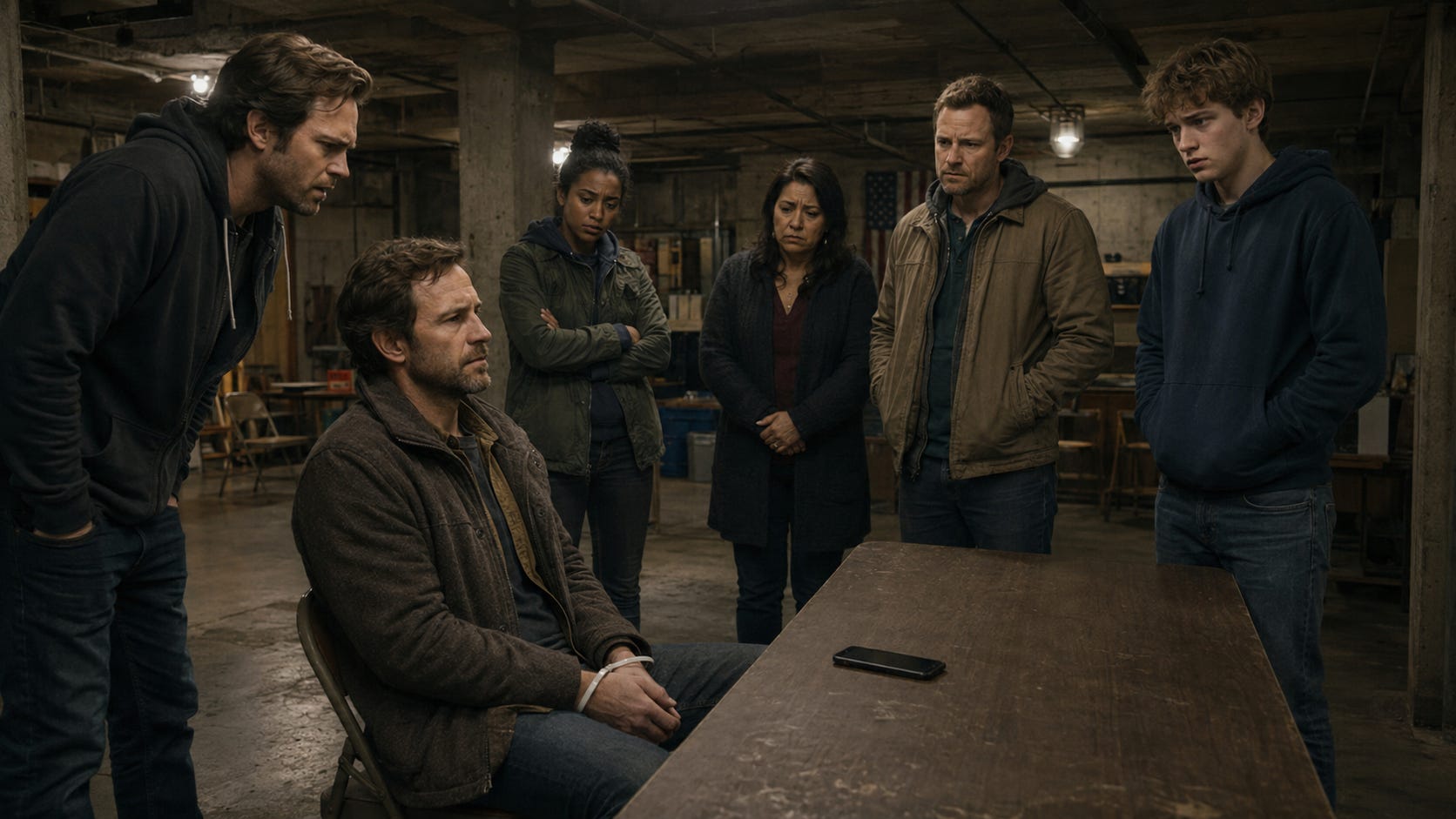
This is an episode about vigilance after trauma, purity mistaken for safety, and the terrible moment when a wounded community nearly loses its conscience.
Credits & Copyright
Written and Directed by Stephen Brewer
Series Bible, worldbuilding, and episode structure by Stephen Brewer
Music created with Suno
Voices created with Elevenlabs.io
Artwork by Cicero
Produced by Stephen Brewer for the Columbia podcast on Substack
Statement on the Ethical Use of AI
This is a work of fiction rooted in themes of conscience, mercy, and civic responsibility. It does not depict real institutions or endorse political action. The moral and spiritual themes in Columbia are presented for storytelling only. They do not speak for any real religious body, denomination, or church.
Disclaimer
Columbia: Long Walk of the Republic is a work of fiction set in an alternate present-day America. Real places, public institutions, and contemporary civic anxieties may appear as part of the story’s moral and political landscape. Fictional characters, dialogue, organizations, and events should not be read as claims about private individuals or local residents.
This episode depicts lawful nonviolence, moral injury, public fear, and the risk that frightened communities can mistake suspicion for discernment. The creator of this series and its production team condemn political violence, vigilantism, dehumanization, and extrajudicial punishment.
Content Warnings
This episode includes emotional distress, coercive restraint, a hostile interrogation, references to arson, quoted extremist rhetoric, anti-LGBTQ and dehumanizing language spoken by a hostile character, mention of a teen being used as emotional leverage, and themes of betrayal, religious trauma, and public fear after political violence.
There is no graphic violence. The harm is primarily psychological, moral, and relational.
© 2026 Stephen Brewer. All rights reserved. No part of this work may be reproduced, distributed, or transmitted in any form without prior written permission from the author.


